When athletes speak: The PR challenge and opportunity of athlete Activism in global sport
By Rachel Roberts
Sport has always been about more than medals. From the Olympic podium to post-match press conference, athletes have used their visibility to highlight issues beyond the field of play. But as geopolitical tensions intensify and social media shortens news cycles, amplifying every moment, sports organisations and comms pro’s are increasingly finding themselves navigating a complex intersection of sport, politics and activism.
For those of us working in sports communications, this creates both a reputational risk and a strategic opportunity.
Winter Olympics
At the recent Games, Ukrainian skeleton athlete Vladyslav Heraskevych found himself at the centre of a debate about athlete expression. He wore a helmet featuring images of Ukrainian athletes killed during Russia’s invasion of Ukraine, intended as a tribute and reminder of the war’s human cost. The IOC ruled that the helmet breached its rule on political messaging in competition, and he was barred from racing, despite efforts to come to an agreement.
From a communications perspective, the situation highlights a familiar tension. For governing bodies, neutrality is central to maintaining the essence of the Olympic movement as a global, politically independent platform. For athletes, however, the expectation to remain silent can feel increasingly unrealistic when their lives and communities are directly affected by global conflict.
Moments like this quickly become international stories, moving from sports coverage into mainstream news and debate. When it does, the communications response becomes just as important.
A long tradition of athlete activism
Sport has a long history of individuals using the global stage to make statements that resonate with audiences far beyond competition.
One of the most famous examples came from Jesse Owens at the 1936 Olympics in Berlin. His four gold medals under the gaze of Adolf Hitler became a defining moment in history, symbolically challenging an ideology and demonstrating the power of sport to challenge political narratives.
Thirty years later, Tommie Smith and John Carlos delivered an iconic protest at the 1968 Olympics. Their raised fists on the podium in protest against racist inequality in the USA led to them being removed from the Games. A year later Kathrine Switzer famously registered for the Boston marathon using just her initials to demonstrate women could, and should, be able to compete in marathon races, which up until then were only deemed suitable for men. Her attempted removal is a defining image of gender equality in sport. Muhammad Ali was banned from boxing after refusing the draft to fight in the Vietnam war, thereby highlighting the futility of the conflict at a time when the US government was struggling to maintain support for the war effort.
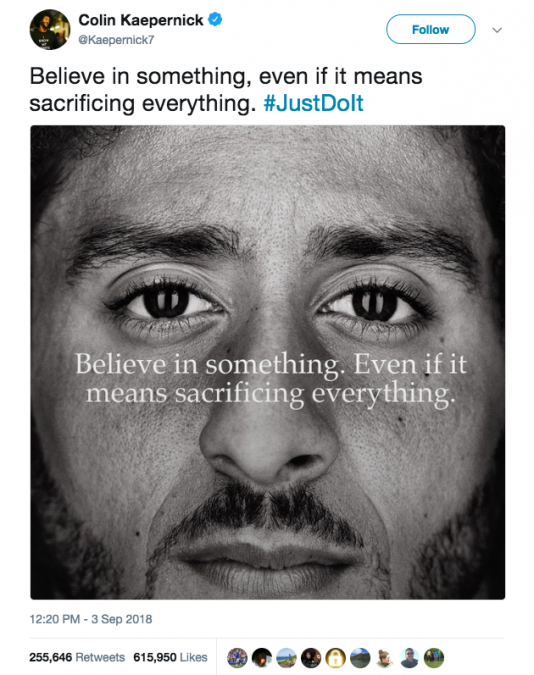
More recently, athletes have used domestic leagues as platforms for change. In 2016 Colin Kaepernick knelt during the US national anthem while playing in the NFL to protest racial injustice and police brutality, which ultimately cost him his career. The gesture was repeated following the killing of George Floyd in 2020 around the world, including all 20 Premier League clubs.
Other examples of activism include gender pay and inequality with Billie Jean King within tennis in the 70s, to many female footballers up to present day, racial equality in sport and wider society with Lewis Hamilton in Formula One, Dina Asher-Smith in athletics and Raheem Sterling in football, through to child food poverty with Marcus Rashfords’ activism and LGBTQ+ rights with Tom Daley which he’s championed when competing and in retirement.
When sport and politics collide
Both the men’s and women’s United States ice hockey teams clinched gold medals at the recent Winter Olympics. After a distasteful joke from the president to the men’s team, in which he said he’d probably have to invite the women’s team as well or he’d be impeached. The women’s team later declined an invitation to the White House.
Just this month the Iranian women’s football team have had to tread a difficult line when competing in Australia, deciding not to sing their national anthem, prompting criticism in Iran, with one conservative commentator accusing the team of being “wartime traitors” and pushing for harsh punishment. While the team are set to return to Iran, speculation mounted over this being a choice around safety for their families and after Australian officials were able to intervene and offer visas, five players have left the hotel in order to remain safely in Australia.
For communications teams, these situations present a familiar dilemma. Athletes are individuals with their own beliefs and platforms, but they also represent teams, sponsors, federations and national bodies. That tension is unlikely to disappear and is one that has to form part of communications planning and risk management.
The Soft Power of Sport
Sport remains one of the most powerful global communication platforms. Athletes can reach audiences and communities that political leaders, NGOs or institutions often struggle to engage. Now with social media, this reach is amplified – not least by sports corporations and brands who are readily tapping into youth culture and the creator industry to engage with new fans at a younger age.
In a world facing multiple major geopolitical issues, athletes speaking out can bring global attention to issues that might otherwise struggle to cut through. For sports organisations, that influence can be uncomfortable, but handled well, can reinforce the role of sport as a platform for values such as unity, equality and humanity. Handled poorly, it can quickly become a reputational crisis.
What to consider
Every major sporting body has regulations governing political expression. Knowing those rules and their potential consequences is essential when advising athletes or teams.
- Know the athletes you work with: understanding values, motivations, communication styles, potentially issues that they are wanting to speak about is useful. Media training helps but understanding potential flashpoints helps more.
- Scenario plan: if an athlete wanting to raise awareness about an issue what would that look like – what are the positives and potential backlash? Scenario planning allows organisations to respond quickly and calmly.
- Alignment: there’s nothing like a communications crisis to test internal communications! Having clear internal conversations about where the organisation stands and ensuring comms has a seat at strategic discussions, helps ensure alignment and avoid mis-messaging which can quickly become exposed in a crisis.
- Talk to senior leadership: these issues quickly can become political, commercial and reputational. Senior leaders need to understand and be included in the risk and scenario planning as early as possible.
Opportunity
Not all activism or individual opinion can be controlled or suppressed and in many cases presents an opportunity if managed thoughtfully. They can humanise sport, reinforce values and demonstrate that the sporting world does not exist in isolation from the rest of society.
The challenge for sports communications is not simply to react to these moments when they inevitably will happen, but to anticipate and be ready for them.