Building a Successful Career in Sports Comms
By Ian Taylor Former Head of Communications for INEOS, West Ham United, QPR and more…
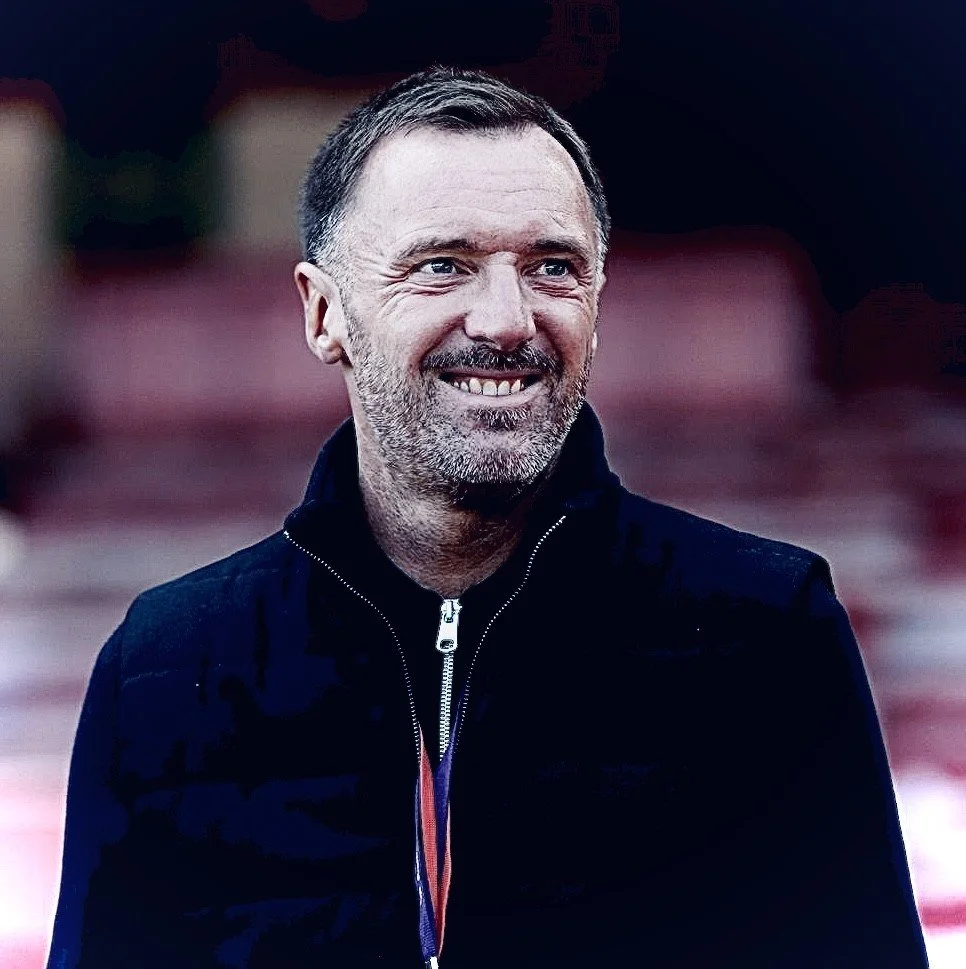
Ian Taylor, founder of Taylored Sports Communications, recently spoke to the CIPR Sports Network to share his insights into building a successful career in sport communications.
In a career which has spanned 20 years, Ian has experienced everything - from supporting Burnley with their recent Premier League relegation, to involvement as the Director of Communications at the Game 4 Grenfell charity match on behalf of QPR, through to overseeing media attention for a British winner of the Tour de France.
Speaking to Adam Powell and Abby Burton, Ian shares insight into the camaraderie amongst sports communications professionals and the power of transferable skills. Whether in football, rugby, cycling – or even in corporate communications - the fundamentals of managing media remain the same. However, the key to success always comes down to relationships – as Ian says himself, ‘you’re only as strong as your contacts book.’
The conversation also covers the relentless news cycles, managing crises and supporting athletes and staff throughout these critical moments, but balanced alongside the unforgettable highs of playing a role in major sporting victories and creating real community impact.
For those looking to break into the industry, Ian’s advice is simple: build your network, prove your versatility, take advantage of every opportunity and, by doing all this, the focus will become on the direction and not the destination.
3 Key Quotes:
On transferable skills – “If I was to walk into a corporate comms job for a bank, for example, next week, yeah - I would have so much to learn. But I would also like to think that my ability to liaise with the media or put out fires from an issues management or crisis comms point of view…just because it's sport or just because it's banking, I don't think makes much difference.”
On camaraderie with peers – “There's a real camaraderie and the feeling that we're in it together, that siege mentality. There's a WhatsApp groups of all the director of comms or head of comms in the Premier League from each of the clubs and we'll bounce ideas off each other, or if we get an enquiry from a newspaper and we're umming and ahhing, about whether to respond. “Are you responding to X? Are you responding to Y? If you are, what are you saying?” So there is that kind of collective spirit. And that helps because I'm a big believer that you should bounce ideas off a team.”
On being prepared when under constant media scrutiny – “A big part of the work that we do in Comms is the horizon scanning piece and making sure that you've got your messaging ready, you've got your narratives ready… making sure that you're as prepared as you can be, and having the courage in your convictions to stick with your messaging, to stick with your narratives. And that's where your relationships are really key, not only with the manager that you're working with or the players that you're sending in to do contractual media obligations, but also with the media as well. There are different ways for the story to be told. And I think if you've got those positive relationships with the media, then the narratives and the messaging that you've been sticking by will seep into the storytelling.”
WATCH HERE
LISTEN HERE