BBC Sport’s proposed staff cuts betray the very sports it should be covering
By David Alexander, CIPR Sports Committee Chairman
There’s a lot that can be said to be wrong with society these days, much of it blamed on social media.
Where social platforms can bring us together, sharing moments, memories and milestones, they have also had a profound effect on the attention economy.
We have moved to a point where everything has to be an elevator pitch, where every story has to be dumbed down without facts, context or insight.
In this digital age, it’s perfectly understandable that the traditional newspaper has become redundant to the point where physical sales are terminal.
But it leaves a huge gap, and one that digital media seems unable to fill.
Flicking through a newspaper, it’s impossible not to see stories that catch the eye that you may not be looking for, stories that educate and inform that you would not have sought out yourself.
That’s what journalism is all about – telling your audience what they don’t know, not giving them versions of news that they are already aware of.
In the era of hyperfocus on clicks, that principle is also waning.
The news that the BBC is planning to cut sports editorial jobs and focus on stories that hit data metrics is of huge concern.
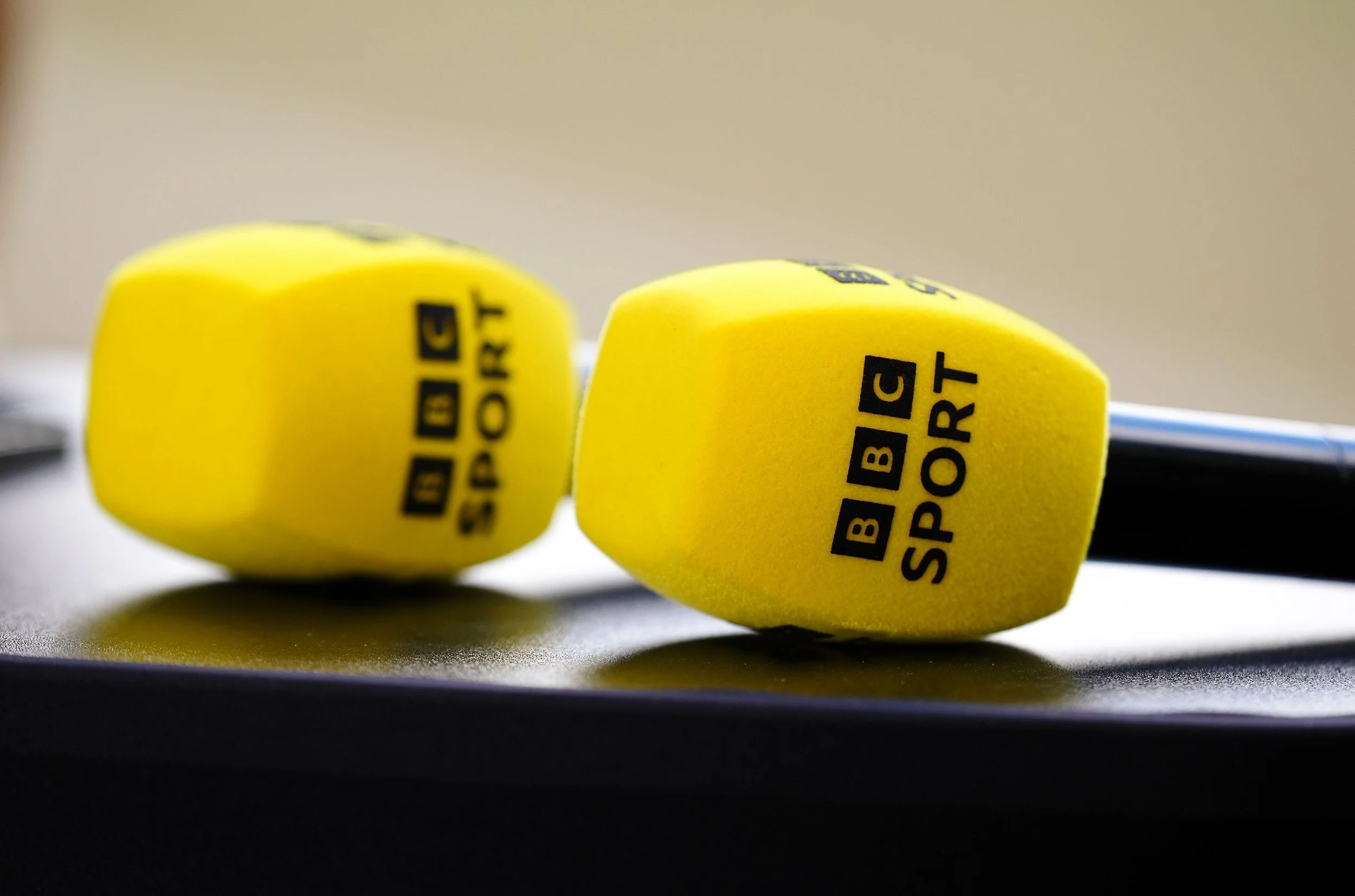
There’s no doubt that the BBC is under pressure to cut costs, with successive governments failing to value its global reputation or the service it provides both domestically and on the international stage.
The advent of AI will almost certainly have a part to play, granted, but it cannot replace reporters who know their sports, build relationships and recognise the significance of a story before an algorithm registers any interest in it.
Beyond the focus on football and other mainstream sports such as cricket, rugby, golf and tennis, the BBC has a responsibility to report on the fringe sports that matter to their fans and participants but may not get the exposure they need elsewhere.
The BBC has already cut long-running programmes such as Ski Sunday as well as staples including the Commonwealth Games, the Boat Race, the World Indoor Bowls Championships and the Rugby League World Cup.
So many sports, large and small, rely on the BBC to provide comprehensive coverage, to showcase the athletic challenges and triumphs of athletes who compete without the fanfare Premier League footballers enjoy.
That has always been the role of a public service broadcaster.
It also goes to underline the disconnect between the media, the government and UK Sport. Getting people active isn’t just about getting more people playing football, it’s about providing facilities for a wide range of sports that suit differing interests and abilities.
That challenge, particularly with regard to Olympic sports, becomes more challenging if only the most mainstream sports are being covered on a consistent basis, denying the public of the chance to learn or enjoy the spectacle of smaller sports that could inspire them.
A sport can have thousands of participants and a devoted following without ever generating the numbers that make it attractive to an editor chasing clicks. If those numbers become the test of whether it deserves coverage, the BBC risks making its own audience less curious about everything beyond the biggest fixtures.
Sports journalism also needs people with the time to ask difficult questions about funding, governance, welfare and access, particularly in sports that receive little scrutiny elsewhere.
Those stories rarely arrive with a ready-made audience, but they can matter profoundly to the people whose lives and livelihoods are affected.
Of course the BBC must adapt to how people consume news, and it can’t cover every event or preserve every programme indefinitely.
But its public service purpose should shape those decisions: to inform people as well as respond to what they already click on, and to give sports outside the mainstream a chance to be seen.
David Alexander is a former sports producer at BBC 5Live.