Strength vs skinny: navigating the growing weight loss drugs narrative in sports communications
By Francesca Baker-Brooker
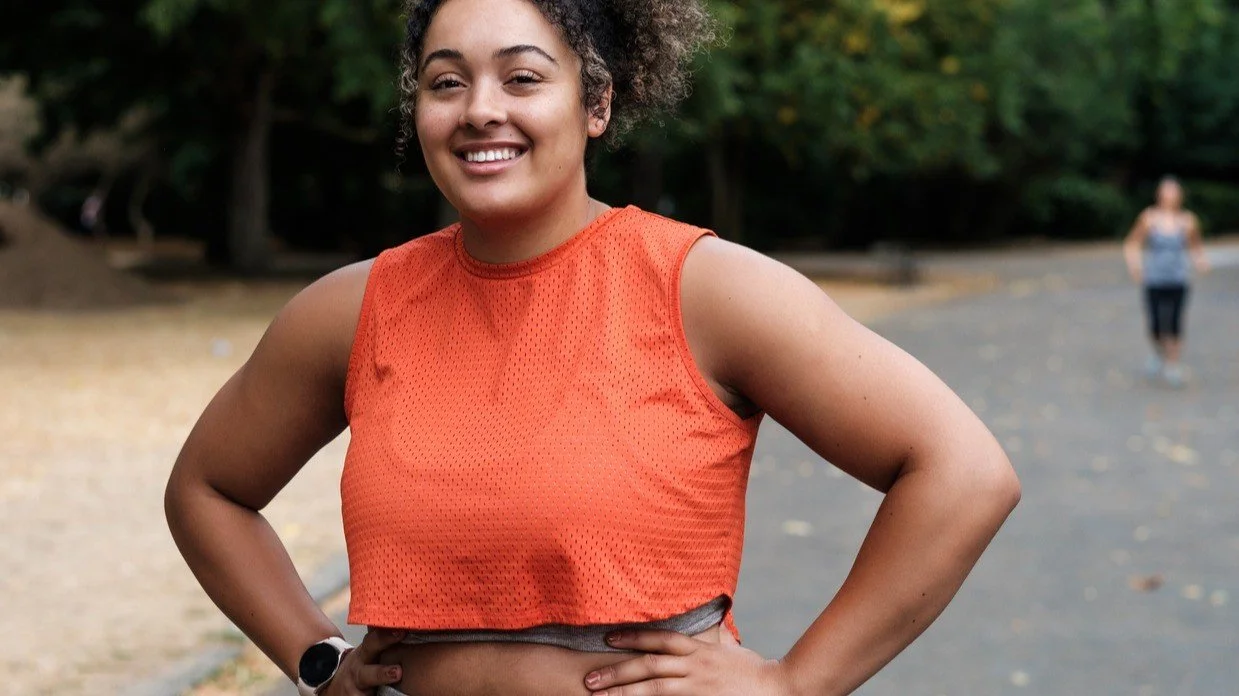
For years, sport worked hard to move away from appearance-first messaging. Campaigns increasingly focused on strength, resilience, community and what bodies could do rather than simply how they looked. When ‘This Girl Can’ was launched by Sport England in 2015, it seemed revolutionary; soon, more women than ever were moving their bodies. Slowly, sport became associated with identity, belonging and emotional release rather than aesthetic transformation.
That shift mattered. It opened the door to people who had never seen themselves reflected in traditional fitness culture before. People started jogging! Swimming! Going to the gym! It was different. And brands loved it, and strong did genuinely become better than skinny for a while.
But recently, something has started changing online. GLP-1 medications have come onto the scene. These drugs have an important medical role, and for many people, they are genuinely life-changing. I get that. The concern is the wider cultural messaging now building around them, where appetite suppression, shrinking and rapid transformation are increasingly becoming aspirational content categories in their own right. An astonishing 1.6 million adults used them in 2025 - and not all needed to. Instead, they were the victim of targeted ads selling cheap weight loss and a celebrity aesthetic that is skinny again.
And sport is not separate from that environment. The explosion of running and endurance sport on TikTok and Instagram has blurred the line between athletic performance and lifestyle branding. Training content now sits beside beauty routines, wellness influencers, calorie deficit advice and body optimisation culture. Marathon preparation is no longer just about racing. It is also content, identity and aesthetics. And people who don’t really know better are spouting advice on what to do to be like them, which is usually a glossy-haired, bouncy, flat-stomached version of them.
That creates a difficult tension for sports brands trying to position themselves as inclusive while operating inside algorithms that still disproportionately reward posts and pictures featuring lean, aestheticised athletic bodies. It might frustrate us, but we play to the marketing gods.
The role of communications on body image
Sports communications shape more than participation numbers. It influences what kinds of bodies, behaviours and identities feel accepted within sport itself. A campaign does not need to explicitly promote thinness for audiences to absorb a message about which athletes are celebrated, visible or aspirational. And so PR and marketing shape, ultimately, public health outcomes, if we take it beyond initial sports kit sales or games eyeballs.
Running’s recent boom happened partly because the culture changed. It became more emotionally accessible. The rise of slower-paced creators, community-run clubs and honest conversations around mental health helped sport feel less intimidating and less conditional. Running stopped looking like something reserved for elite bodies. For a lot of people, that was liberating. And we saw a whole load of content creators flourish. That’s great - more people shouting about a fantastic way to move your body, influencing more people to do just that.
For sports brands, that creates a growing reputational challenge. Influencer partnerships are no longer neutral marketing decisions. They shape the cultural atmosphere around sport itself. Brands may talk about inclusivity, strength and accessibility, but those messages quickly become undermined if the creators they platform reinforce narrow aesthetic ideals.
If sport becomes visually tied to shrinking, transformation and hyper-controlled lifestyles again, it risks alienating the very audiences it claims to welcome. Participation in sport is heavily influenced by representation and perceived belonging. People are far less likely to enter spaces where they already feel judged before they have even started.
Physical dangers
There is also a serious physical health issue underneath this conversation that often gets flattened by online wellness culture. Under-fuelling is not harmless simply because it arrives wrapped in discipline, optimisation or self-improvement language. RED-S (Relative Energy Deficiency in Sport) can affect hormones, recovery, energy levels, mood and bone health. Restrictive behaviours are often still socially rewarded because they can look like dedication or control from the outside, particularly within endurance sport, where suffering is frequently normalised.
I know that personally. I have severe RED-S, anorexia and bone damage linked partly to years of underfuelling. Running is still something I love deeply, which is part of why this conversation feels emotionally complicated. Sport can be joyful, freeing and identity-building. But it can also become a place where harmful behaviours hide in plain sight, disguised as discipline, wellness or commitment.
That is why the growing overlap between weight-loss culture and sports culture deserves far more scrutiny than it currently gets. The sports industry has spent years trying to broaden participation and move beyond outdated fitness narratives. But inclusivity messaging quickly loses credibility if the surrounding visual culture continues to reward the same narrow body ideals through influencer partnerships, campaign casting and transformation-led storytelling.
Brands simply cannot talk about empowerment while building campaigns around creators whose content revolves around shrinking, restriction or aspirational thinness. Audiences are far more media literate than the industry often assumes. They notice contradictions quickly. I’m a member of a chat that was up in arms when a well-known magazine used a photo of running influencer Anya Culling from three years ago, when she was visibly underweight and not menstruating, rather than the strong woman she is now. Why? That feels like an easy comms decision, not the right one.
Is this our legacy?
There is also a wider question here about what sport wants to represent culturally over the next decade. The modern running boom succeeded because it offered something bigger than appearance goals. For many people, running became a way to cope with stress, build confidence, make friends and reconnect positively with their bodies. SportsShoes found that the biggest running benefit people experience is improved mental health and mood, at 32%. It gave people a sense of capability rather than simply another standard to fail against.
Parkrun has become such a success not because of fast times - they pride themselves on average times getting slower - or an aesthetic, but participation. And as communications should ultimately be about growing the brand, it’s worth asking what your audience identifies with most? A fun 5k on a Saturday morning, or elite bodies?
That is worth protecting. Because once sport becomes too visually aligned with weight-loss culture, it stops feeling like freedom and starts feeling like performance in the worst sense of the word.
Sport became powerful because it taught people what their bodies could do, not simply how small they could make them. We started celebrating that. We put ‘real’ (ugh) bodies on the front of magazines. We celebrated the back of the pack. We didn’t care if a rugby player didn’t have a thigh gap if they could touch down.
I still remember the first time I got back from a run and didn’t close my eyes in the shower, because my body was f*cking cool. And we have had one of the most active populations in recreational sports for a long time. Please, let’s not lose that in a capitalist hype cycle. Fight for what you know is right. It’s worth saving.
Love this article? Feel free to share it, or leave your thoughts in the comments.
Want to keep the debate going? Join the CIPR Sports Network WhatsApp group: https://chat.whatsapp.com/BIjxsUQRQOw1BUwtfuqUac?mode=gi_t